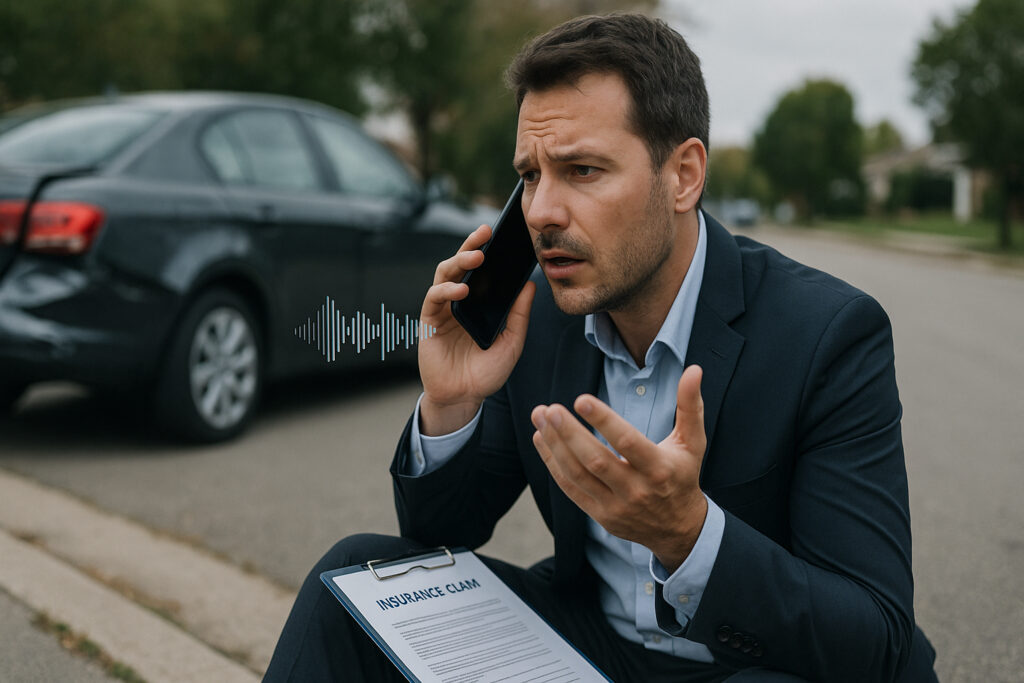
Being involved in an auto accident can be a stressful and confusing experience. In the days following the collision, one of the first things you may encounter is a phone call from an insurance adjuster requesting a recorded statement. Whether it’s your own insurance company or the other driver’s, you might wonder: Should I agree to it? Before you say anything on the record, it’s important to understand your rights – and the potential risks.
As a team of experienced car accident lawyers, we’ve helped countless clients navigate these situations. Here’s what you need to know before giving a recorded statement after an accident.
What Is a Recorded Statement?
A recorded statement is a formal account of what happened during the accident, typically given over the phone or in person and documented by the insurance company. It often includes your version of events, the extent of your injuries, and other details surrounding the incident.
While this might sound straightforward, recorded statements are not just a routine formality – they are a tool insurance companies use to evaluate (and often minimize) your claim.
Who Is Asking for the Statement?
Your Own Insurance Company
If the request is coming from your own insurer, your policy likely requires you to cooperate with their investigation, which can include providing a statement. That said, you still have the right to:
 Ask to reschedule until you speak with a lawyer.
Decline a recorded format and offer a written version instead.
Have your attorney present during the call.
Even though your insurer is “on your side,” their goal is still to limit their financial liability. So, it’s always wise to approach the conversation cautiously.
The Other Driver’s Insurance Company
If the other party’s insurer is asking for a recorded statement, you are under no legal obligation to comply. In fact, we strongly advise against it. The opposing insurance company is looking for any reason to deny or reduce your claim – and your recorded words can be taken out of context or used against you.
Before speaking with them, it’s in your best interest to consult a car accident lawyer who can protect your rights and speak on your behalf.
Why You Should Be Cautious
Insurance adjusters are trained to ask leading questions that may cause you to downplay your injuries, admit fault, or offer unnecessary details. Even seemingly innocent answers like “I’m fine” or “I didn’t see the other car” can be misinterpreted.
Here are some common pitfalls of giving a recorded statement:
You might misspeak under pressure or stress.
Your injuries may not yet be fully known and saying you’re “okay” could undermine future claims.
Speculating about how the accident occurred can backfire if later evidence shows otherwise.
Once your statement is recorded, it becomes part of the insurance company’s file and can be used to discredit your claim during negotiations or even in court.
How a Car Accident Lawyer Can Help
If you’ve been involved in an accident, hiring a car accident lawyer early on can make a significant difference. Your attorney can:
Communicate directly with insurance companies on your behalf.
Help you prepare for any required statements.
Ensure your rights are protected throughout the claims process.
Accurately assess the value of your case and fight for fair compensation.
Whether you’re dealing with medical bills, lost wages, or long-term injuries, having legal representation can level the playing field and help you recover what you’re truly owed.
What Should You Do Instead?
Here’s what we recommend if an insurance adjuster asks for a recorded statement:
- Stay calm and polite, but do not agree to anything immediately.
- Ask who they are and which company they represent.
- Decline to give a recorded statement until you’ve spoken to an attorney.
- Contact a trusted car accident lawyer to discuss your next steps.
Your future well-being could depend on how you handle this moment – don’t take it lightly.
Final Thoughts
After an auto accident, the insurance company’s goal is to protect their bottom line – not yours. While cooperation is sometimes necessary, you should never give a recorded statement without fully understanding the consequences.
If you’ve been in a car accident and are unsure about your next steps, contact our office for a free consultation. Our dedicated team of car accident lawyers is here to guide you through the process and fight for the justice you deserve.